What Diseases Spread After a Flood? A Complete Health Guide for Assam Families (2026)


The rain has slowed down in parts of Assam, and the water is inching back from courtyards and paddy fields. But if you've lived through a flood season here before, you know the sigh of relief never lasts long. The death toll from this year's floods has already crossed 66, with nearly 7 lakh people affected across a dozen districts — and now, doctors and health officials are watching a second, quieter threat: disease.
The ICMR itself flagged this just recently, warning that once floodwaters recede, outbreaks of water-borne and vector-borne illness become a real risk across the state. So let's break down exactly what that means — what diseases we're talking about, why they show up after a flood, and what you can actually do about it.
Why Do Diseases Spread So Fast After a Flood?
Doesn't the danger pass once the water goes down?
Not really — in some ways, it gets worse. Floodwater mixes sewage, animal waste, and chemical runoff into everything it touches: wells, ponds, even sealed water sources if the flooding was severe enough. Add displaced families crowded into relief camps, damaged sanitation systems, and mosquito breeding grounds left behind in stagnant puddles, and you have the perfect setup for outbreaks. The flood itself is sudden. The disease wave that follows is slower, but it can end up affecting more people.
What Water-Borne Diseases Should We Watch Out For?
This is usually the first concern, right — dirty water?
Exactly, and it's the biggest one. ICMR has specifically pointed to typhoid, jaundice, and dysentery as the diseases most likely to spread when people are forced to drink contaminated water during floods. Here's what each one looks like in short:
- Typhoid — high fever, weakness, stomach pain, spread through contaminated water and food.
- Jaundice (Hepatitis A) — yellowing of skin and eyes, fatigue, often from drinking unsafe water.
- Dysentery and diarrhoea — severe stomach cramps and frequent loose motions, dangerous especially for children because of rapid dehydration.
Cholera is another one health teams monitor closely in relief camps, since it spreads fast in crowded, low-hygiene conditions.
Are Mosquito-Borne Diseases Really a Big Risk Too?
With so much focus on water, do mosquitoes even matter that much?
They matter a lot, and Assam has painful history with this. In past flood seasons, the state has seen deadly spikes in Acute Encephalitis Syndrome and Japanese Encephalitis, particularly in districts like Lakhimpur that sit close to the hills. Stagnant water left behind after a flood becomes a breeding ground within days, and that raises the risk of dengue and malaria as well. A fever that seems ordinary can, in flood season, be something far more serious — which is exactly why doctors have been telling families not to wait it out at home.
Can Skin and Eye Infections Really Come From Floodwater?
That sounds minor compared to typhoid or encephalitis.
It's smaller in scale, but it's extremely common, and it wears people down fast. Prolonged contact with dirty, standing water leads to fungal skin infections, especially between the toes, and conjunctivitis or other eye infections when people rub their eyes with unwashed hands. It's not life-threatening the way encephalitis is, but in relief camps where hundreds of people share the same limited water and space, these infections spread quickly from person to person.
Why Are Children and the Elderly More at Risk?
Isn't everyone equally exposed to the same water and mosquitoes?
Exposure might be equal, but the impact isn't. Children dehydrate faster from diarrhoea, their immune systems handle infections less efficiently, and they're more likely to play in or near contaminated water without realising the danger. Elderly people, especially those with existing health conditions, recover more slowly and are more vulnerable to complications from even a "mild" waterborne infection. That's part of why relief efforts in Assam this year have specifically flagged the medical needs of children, pregnant women, and the elderly as priority cases.
What Can Families Do to Lower the Risk?
This all sounds overwhelming — what's actually within our control?
More than you'd think, honestly. A few habits make a real difference:
- Drink only boiled or chemically treated water — no exceptions, even if the water "looks" clean.
- Use mosquito nets at night, in homes and relief camps both.
- Keep wounds clean and covered, and avoid unnecessary contact with standing water.
- Don't self-medicate a fever — get tested, especially if there's any chance of encephalitis in the area.
- Discard any food that touched floodwater, no matter how it looks.
None of this is complicated. It's just easy to skip when you're exhausted, displaced, and trying to hold your family together — which is exactly when it matters most.
Is the Assam Government Doing Anything to Prevent Outbreaks?
Is this just on individual families, or is there support?
There's real effort on the ground. District administrations have set up medical camps and are distributing chlorine tablets alongside relief supplies, and health officials have publicly said preventing an epidemic is a top priority this flood season. The Governor has also pushed for stronger preventive measures against water-borne and vector-borne disease in the post-flood period. That said, with tens of thousands of people still cut off in areas like Nazira and Sivasagar, help doesn't always reach everyone in time — which is exactly why knowing these basics at the household level matters so much.
Floods in Assam aren't going away — the Brahmaputra and its tributaries make sure of that, year after year. But the disease outbreaks that follow aren't inevitable in the same way. Clean water, quick medical attention, and a little caution in the weeks after the water recedes can be the difference between a hard season and a health tragedy.
The Suprabhat Healthcare Team consists of experienced and professional doctors, healthcare specialists, medical advisors, and support staff dedicated to delivering trusted and patient-centered healthcare services. Our team works with compassion, medical expertise, and a commitment to providing quality healthcare support for individuals and families.
We believe in maintaining the highest standards of professionalism, safety, and transparency in every service we provide. All medical guidance and healthcare support are handled by qualified professionals with a focus on patient well-being and care excellence.
To ensure trust and authenticity, Suprabhat Healthcare operates with verified business documentation, including Trade License and other required certifications and registrations. Our goal is to make healthcare more accessible, reliable, and convenient through modern technology and professional medical support.
Frequently Asked Questions
1. What diseases commonly spread after floods in Assam?
2. Why do diseases increase after floodwaters recede?
3. How can families prevent diseases after floods?
4. Which people are most at risk after floods?
5. When should I visit a doctor after a flood?
Recent Insights & Uploads

Which Blood Tests Should I Get for a Full Body Health Checkup in Dibrugarh?
Different types of blood tests can help identify varying medical conditions before they progress into something serious. Examples include a complete blood count, creatinine, lipid profile, blood sugar, and liver function test.

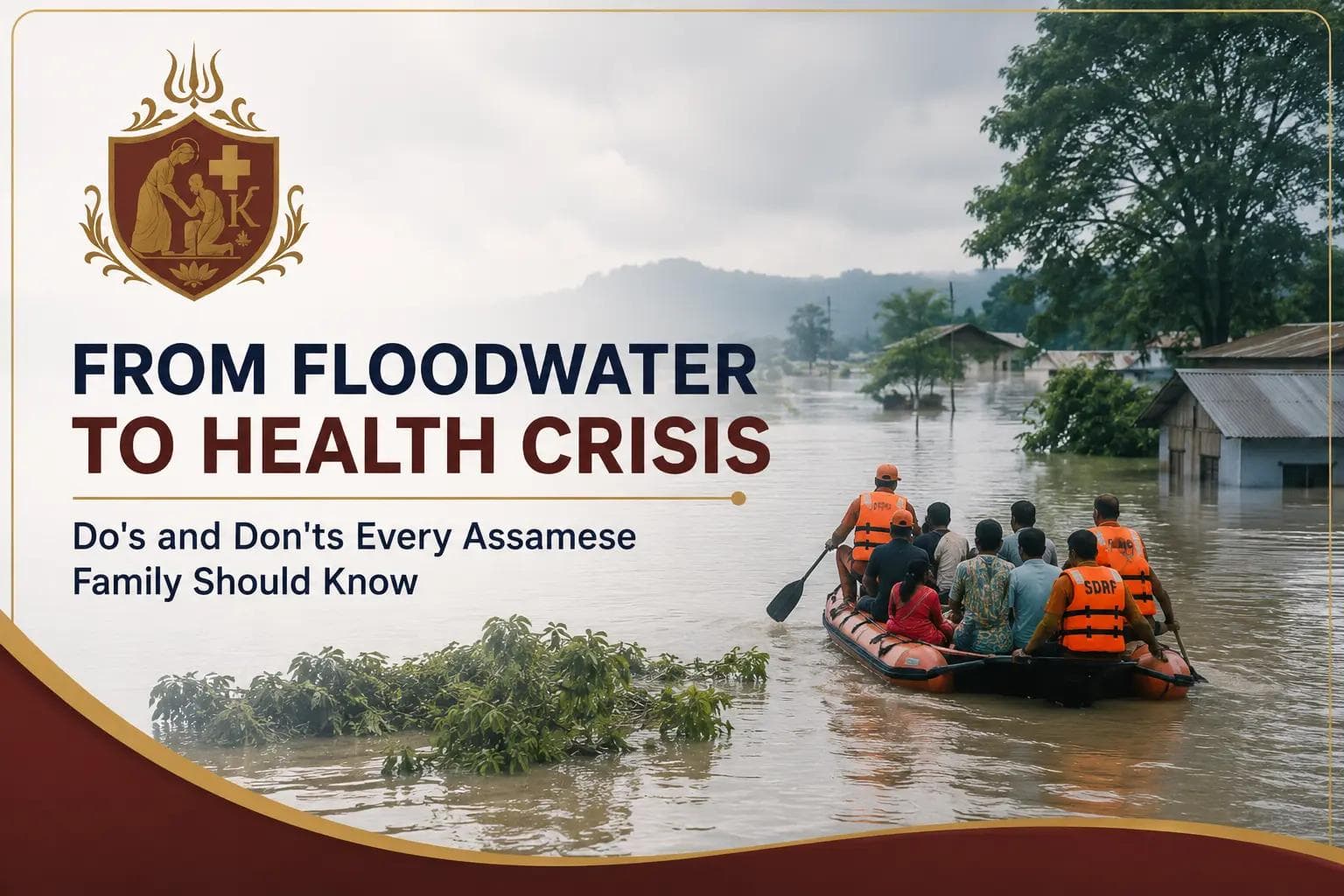
From Floodwater to Health Crisis: Do's and Don'ts Every Assamese Family Should Know
Floods don't end when the water recedes. Learn the essential do's and don'ts to protect your family from waterborne diseases, infections, and other health risks after floods in Assam.
Take the next step in your investigative health journey.
Subscribe to our monthly newsletter for clinical insights, medical breakthroughs, and health tips specifically tailored for our community.